

The act of translating was typically an individual task, with one person or a translation team responsible for translating from language A to B. However, in the current rapid global market environment, one can barely find a piece of content that exists in a vacuum.
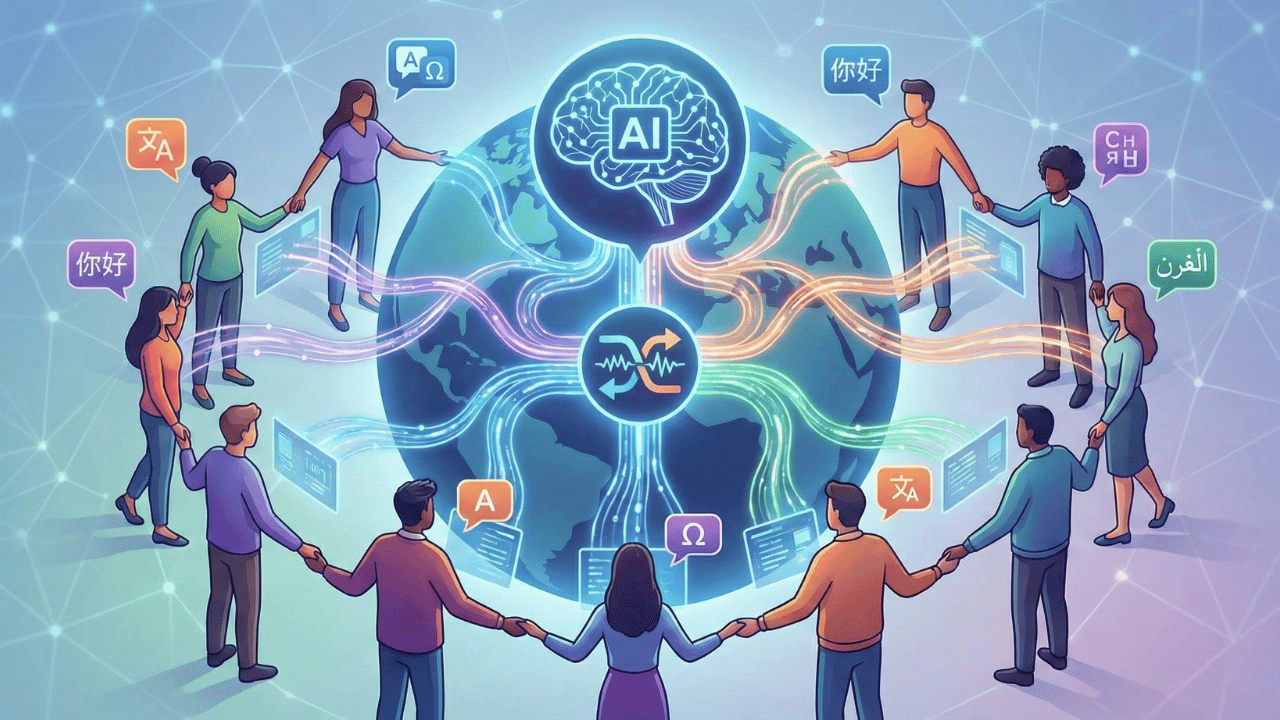
Contemporary AI-based translation solutions have moved beyond the word-for-word approach and have evolved into a common platform. This platform enables diverse teams to work on the same content and optimize it simultaneously, and overcome the silos that previously existed. This new trend is rewriting the rules on how organizations handle multinational content.
By implementing AI translation software into everyday workflows, not only is efficiency achieved, but cross-team communication is stronger in terms of alignment and visibility. Content becomes global, scalable, strategic, and consistent for global markets while allowing teams to concentrate on creativity and strategy versus lower-order tasks.
Collaboration Beyond Language
The technology employed in AI translations also facilitates the collaboration of various departments in an organization since it enables translators, editors, and managers to share the same page. This makes it convenient to collaborate even with distant departments.
Cross-Department Alignment
Marketing, product, and support teams efficiently coordinate translations. Collaboration is language-agnostic and enhances strategy by ensuring consistency in all messaging across various points of interaction. It can be ensured by a software company that the tone and language used in product upgrades, manuals, and support emails are the same in all languages.
Rework Reduced, Efficiency Increased
Rework has long been a hidden cost in the translation process. AI-powered translation tools help minimize repetitive tasks. Ensure that previously approved terminology is consistently applied across projects, and free teams to focus on higher-value, creative work that enhances overall content quality and efficiency.
Translation Memory For Consistency
Previously translated content is stored and leveraged over multiple projects. Streamlining team workflow, teams save time while maintaining brand consistency with no duplicate work. It is worth its weight in gold when regular content includes product description pages, technical documentation, and FAQs. ‘For instance, think about taking a technology company that rolls out new releases for its software every month. Relevant terminology that has been used before will be transferred to the translation tasks so that the message stays on track and the time allotted for completion becomes faster.
Streamlined Collaboration
With Smart Cat, teams can coordinate updates, edits, and approvals in one place. This has paved the way for fewer errors, quicker turnaround cycles for projects, and the smooth distribution of content across different markets. For example, if the global human resources department posts organizational training documents, the translation software used by the company enables all the different departments to receive the same information at the same time.
Supporting Cross-Functional Teams
Content rarely exists in a vacuum. Alignment across departments is enabled by AI-powered translation software, and consistent messaging as well as strategy across regions is ensured, improving efficiency, collaboration, and global reach.
Improvements Driven By Data
Teams are the source from which feedback is crowdsourced. This results in better translations over time. Knowledge is captured through platforms like Smart Cat in the form of edits and approvals, improving quality, increasing speed, and enhancing future performance. This means each translation gets smarter, with fewer repeated corrections and consistency throughout projects.
Bottom Lines
AI translation software has grown into a strategic collaboration hub. Through centralizing flows, automating repetitive processes, and giving complete visibility across different teams. It enables organizations to work smarter and more quickly. This enhances alignment, minimizes errors, and fast-tracks the delivery of global content.
Platforms like Smart Cat turn translation from a transactional process to a collaborative and strategic asset. Teams coordinate powerfully across departments and languages, maintaining brand consistency while rapidly scaling content. By embedding AI translation software into workflows, organizations realize operational efficiency, cross-team cohesion, and the capability for swift responses to market demands. And that is how AI translation software can become not only a tool but actually a driver of productivity, collaboration, and sustainable global growth.